Factors Affecting Caloric Intake
Sources and review status
Review pending — this text hasn’t been signed off by a reviewer yet.
Historical reference: its only source is the original reference manual, and some of it may be out of date. Not used for AI answers until re-sourced.
See this lesson’s sources0% read · 1 min left
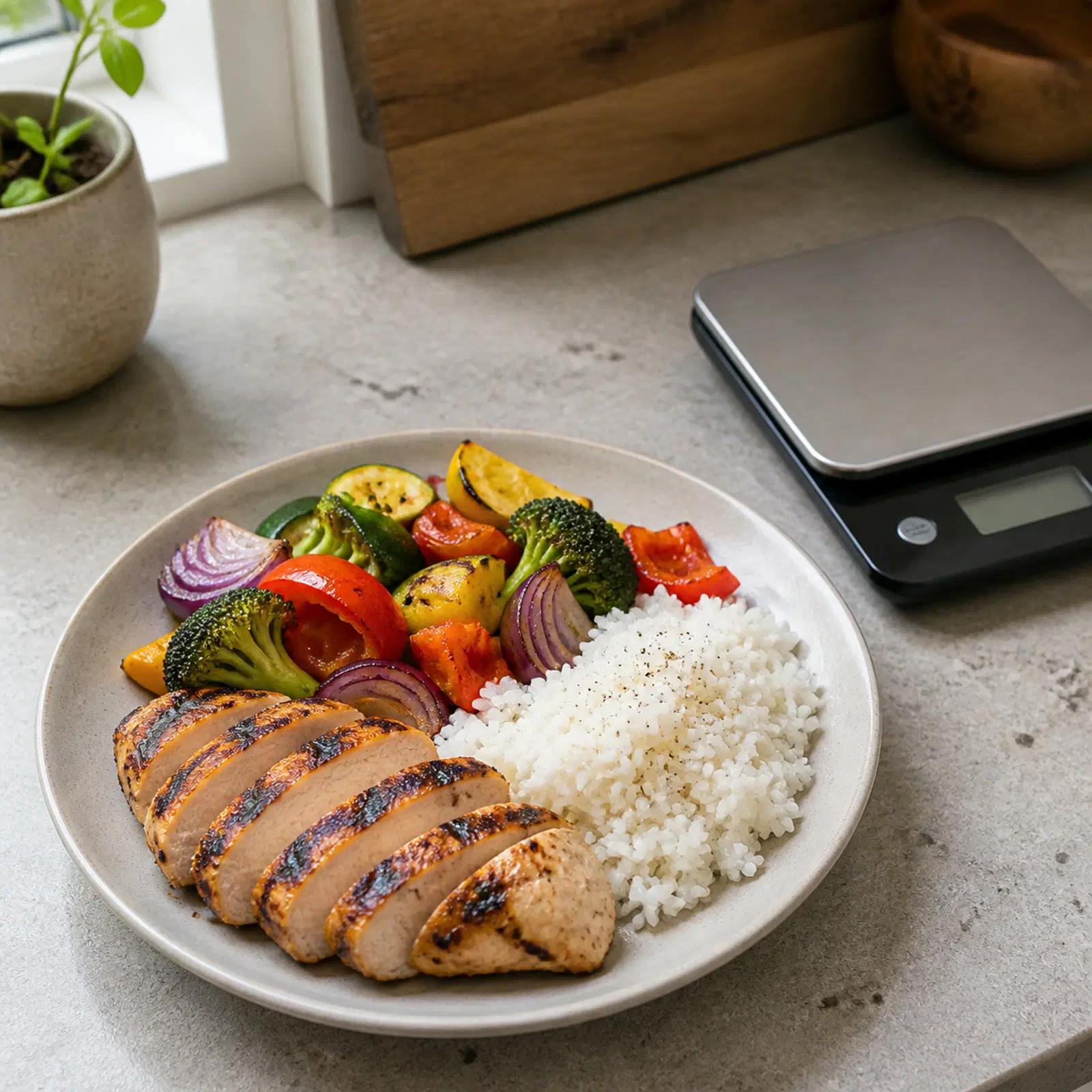
Total caloric intake comes from food and drink, and many cultural, emotional, and physiological factors influence how much a person eats.
Detail
Total caloric intake comes from the consumption of foods and drinks. The carbohydrates, fats, and proteins in these foods contain energy expressed in kcal.
Many factors affect a person's caloric intake at any particular time:
- Cultural and family influences.
- Emotional states — some people react to stress or depression by over-eating or under-eating.
- Physiological mechanisms — hormonal or central nervous system regulatory mechanisms may be impaired, leading to over-consumption of food.
Key facts
- Caloric intake derives from carbohydrates, fats, and proteins in food and drink.
- Influences include cultural/family habits, emotional states (stress, depression), and hormonal/CNS regulation.
- Impaired regulatory mechanisms can lead to over-consumption.
Connections
- Caloric Balance (Energy Balance) — intake is one side of the energy equation.
- Psychological Effects of Deprivation — emotional eating ties to dieting and stress.
Sources
See how this applies in practice, with honest limits on what the plan changes.
Educational content only — not medical advice. Always consult a qualified professional for individualized guidance, especially around injury, pregnancy, or medical conditions.