Nutrition
Nutrition
Reducing Dietary Fat and Taking Weight Off
2 min read
Sources and review status
Review pending — this text hasn’t been signed off by a reviewer yet.
Historical reference: its only source is the original reference manual, and some of it may be out of date. Not used for AI answers until re-sourced.
See this lesson’s sourcesdietary-fatweight-losslow-fat-eatingexercisefood-choices
0% read · 2 min left
DefinitionA short reference note, not a full lesson.
Definition
Lose weight by burning more calories (exercise) and taking in fewer — and cutting dietary fat is an effective way to reduce calories.
Detail
"Taking it off and keeping it off" rests on two levers:
- Body weight can be reduced by increasing the number of calories used (exercise) and reducing the number of calories taken in.
- Cutting down on fats in the diet is an effective way to reduce calories.
- If you want to lose weight, eating right is only part of the equation — you also have to increase the number of calories used by increasing activity and exercising.
Practical low-fat food choices listed in the source:
- Choose more vegetables, fruits, cereal grains, and starches.
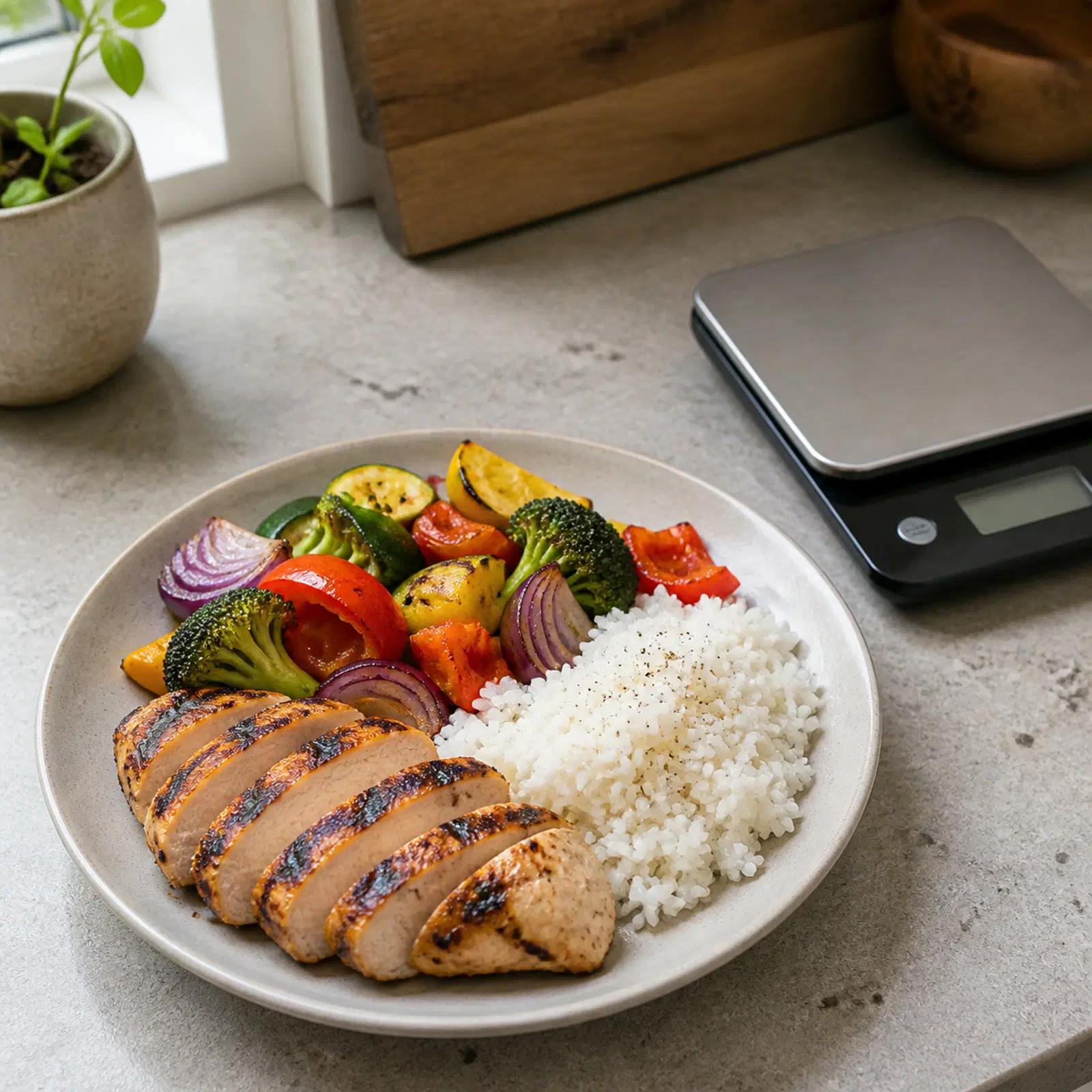
- Choose fish, poultry, and lean cuts of meat, and serve moderate portions.
- Trim fat from meats and skin from chicken before cooking.
- Eat less commercial baked goods made with lard, coconut oil, palm oil, or shortening.
- Eat less sausage, bacon, and processed luncheon meats.
- Use skim milk or low-fat milk; choose low-fat cheeses; use low-fat yogurt.
- Eat less cream, ice cream, and butter.
- Eat less food fried in animal fats or shortening.
- Eat fewer eggs or fewer egg yolks.
Key facts
- Two levers: increase calories used (exercise) and reduce calories taken in.
- Cutting dietary fat is an effective way to reduce calories.
- Eating right alone is insufficient — activity/exercise is also required.
- Favor vegetables, fruits, grains, starches, fish, poultry, lean meats (moderate portions).
- Reduce baked goods with lard/coconut/palm oil/shortening, processed meats, full-fat dairy, fried foods, and egg yolks.
Connections
- Negative Caloric Balance (Caloric Deficit) — the deficit these habits create.
- Caloric Balance (Energy Balance) — calories in vs. out.
- American Fat Intake and Obesity Statistics — why cutting dietary fat matters at the population level.
Sources
Historical reference · reference manual (page cited)
p.560
Section: "Taking it off and keeping it off!"
See how this applies in practice, with honest limits on what the plan changes.
Educational content only — not medical advice. Always consult a qualified professional for individualized guidance, especially around injury, pregnancy, or medical conditions.
Explore related topics
Reducing Dietary Fat and Taking Weight Off
Caloric Balance (Ene…American Fat Intake …Negative Caloric Bal…Atlas Connections
Caloric Balance (Energy Balance)
Caloric balance is the relationship between the calories you take in and the calories you burn; the energy-balance equation is Caloric Intake = Caloric Expenditure.Exchange List Diet
A flexible meal-planning system, originally developed for diabetics, that groups foods by nutritional composition and allots a number of "exchanges" per group each day.American Fat Intake and Obesity Statistics
Why high-fat foods are easy to overeat, with dated late-1990s U.S. snack and obesity figures; current CDC data put adult obesity at 40.3% (2021–2023).Negative Caloric Balance (Caloric Deficit)
You lose body fat only when you burn more energy than you eat: a caloric deficit. Combine eating less with being more active, keep lifting and eat plenty of protein so the loss is mostly fat. Expect weight loss to slow over time even if you keep the same deficit.