Principle of Specificity (SAID)
0% read · 2 min left
Training adaptations are specific to how you train — match the muscles, movements, and posture of the target activity to get carryover.
Detail
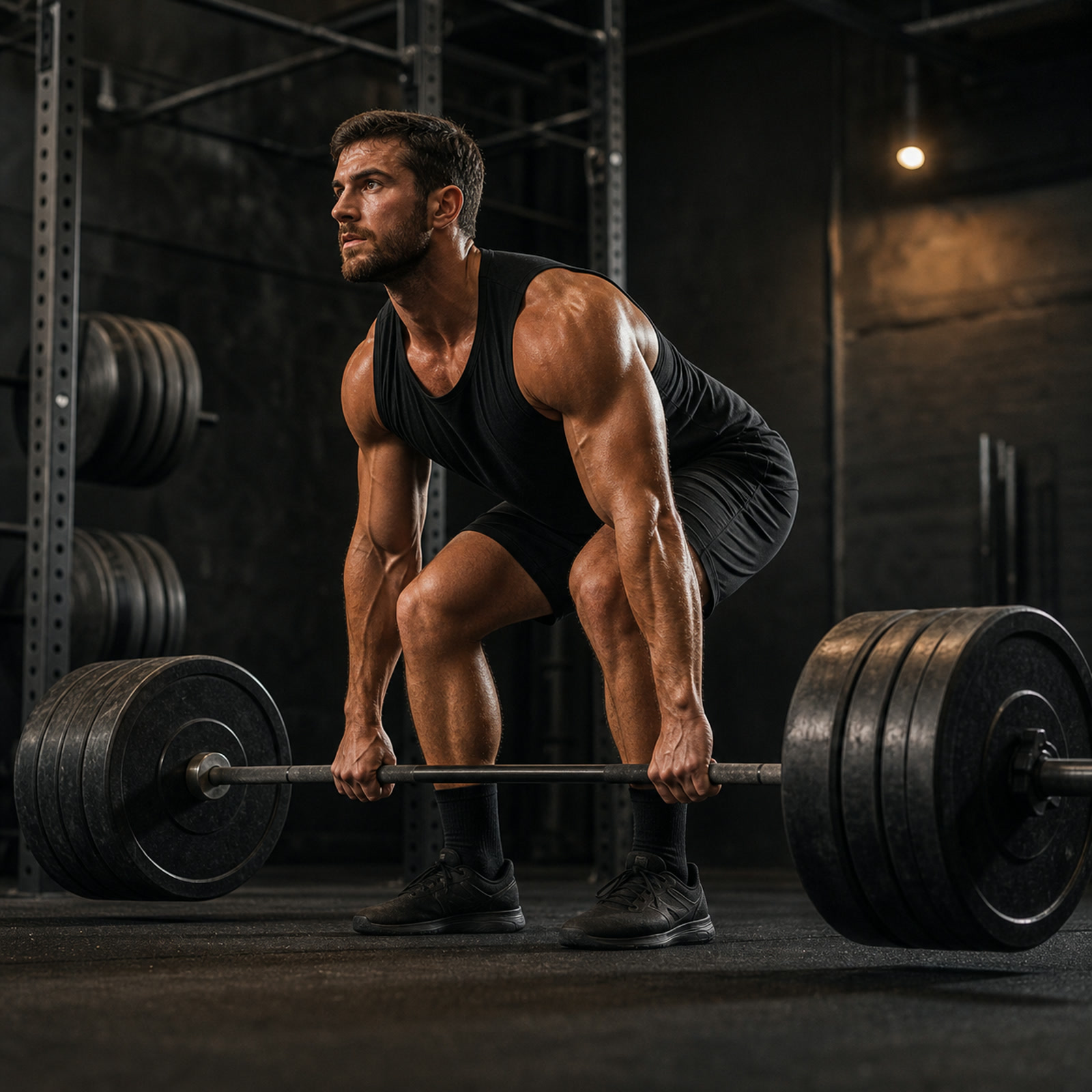
There should be a similarity between the training conditions and those required in the actual athletic performance. Strength and power training should therefore involve the muscle groups that cause the desired movement and, in addition, the antagonist and stabilizer muscle groups that assist in producing the movement. Training all of these together permits a balanced strength increase that protects the body from potential injury (this overlaps with muscle-balance). For maximal benefit, strength and power training should also be undertaken in a posture that resembles the one used in the performance.
The specificity concept also shows up in testing: when comparing strength/power gains from free weights versus machines, if a person trains on a machine but is tested on free weights (or a different machine), little or no gain may be apparent, whereas testing on the same equipment used in training reveals a large gain. So whether a gain appears depends on the specificity of the testing criterion.
Key facts
- Training conditions should resemble the actual performance.
- Train the prime movers PLUS antagonists and stabilizers for balanced, injury-protective strength.
- Posture during training should resemble the target performance.
- Adaptations (and measured gains) are specific to the equipment/movement used — a testing implication of specificity.
Connections
- muscle-balance — specificity drives training the antagonists and stabilizers too, supporting balance.
- progressive-overload — the load you overload should be applied in the specific movement.
- free-weights-vs-machines — the free-weight/machine testing problem is a specificity effect.
- exercise-selection — exercise choice (sport-related movement) is where specificity is applied.
- muscle-fiber-types — fiber recruitment is specific to the demand placed.
Educational content only — not medical advice. Always consult a qualified professional for individualized guidance, especially around injury, pregnancy, or medical conditions.