Qigong (Overview)
0% read · 1 min left
A Chinese system of gentle, repetitive movements, posture, breathing, and focused attention — closely related to tai chi and supported by evidence for balance, mobility, and well-being.
Detail
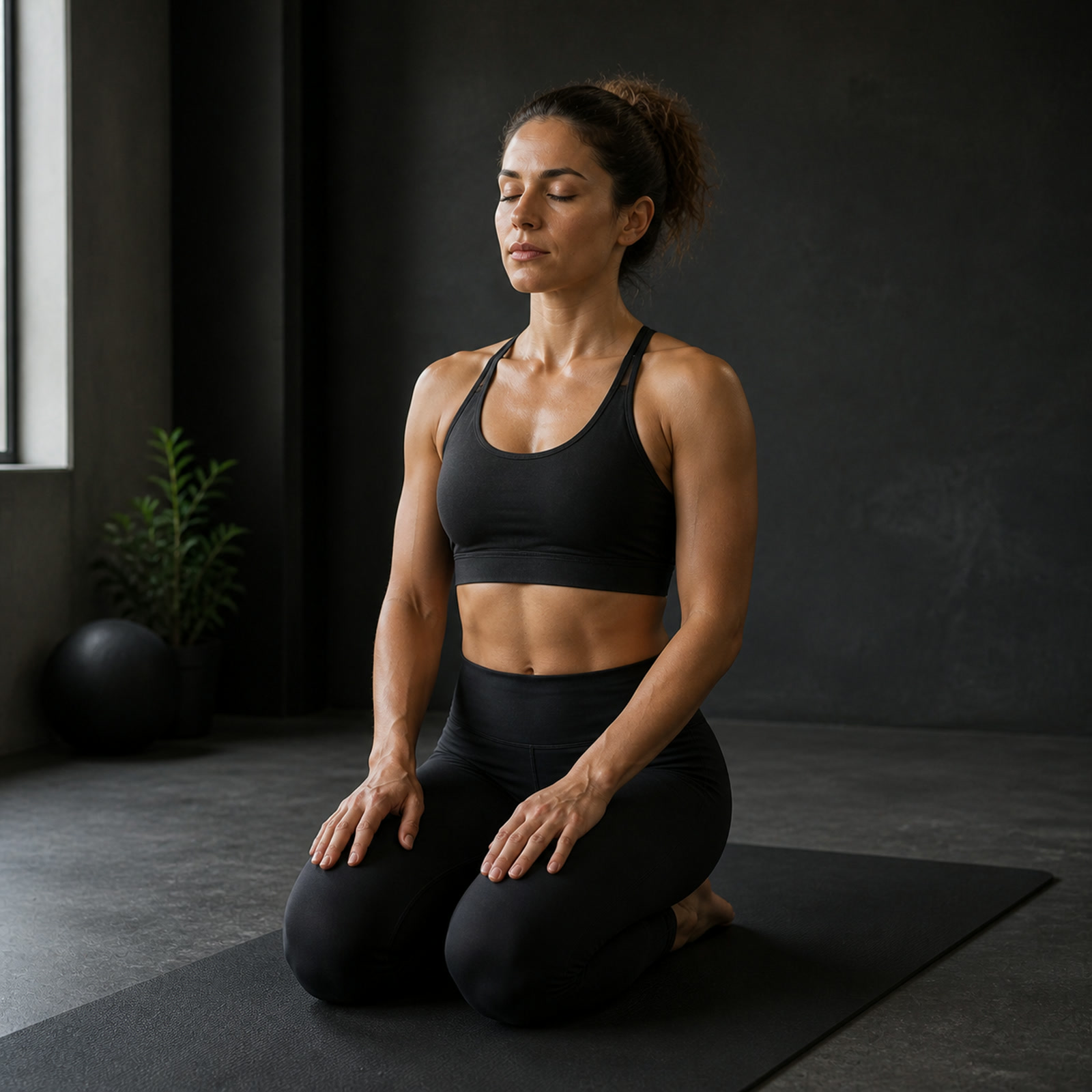
Qigong ("energy work") comprises gentle, often repetitive movements, static postures, slow breathing, and meditative focus. Compared with tai chi's longer choreographed forms, qigong tends to use simpler, repeated movements and more static holds, and includes both dynamic and quiet (meditative) styles. It is very low-impact and accessible to frail and older populations.
Reviews report that regular qigong improves balance, strength, and flexibility in healthy adults and supports balance training and fall prevention with effects comparable to (sometimes better than) more traditional interventions; a manualized 12-week medical qigong protocol significantly improved balance and gait and modestly improved balance self-confidence in older adults, and qigong improved balance, walking, and movement in people with Parkinson's disease. Reported benefits also include better quality of life and sleep. As with tai chi, frame outcomes physiologically (balance, mobility, autonomic/stress regulation) rather than via "qi" metaphysics, and note that more rigorous RCTs are still needed.
Key facts
- Gentle repetitive movements + posture + slow breathing + focus; very low-impact.
- Evidence for improved balance, strength, flexibility, fall prevention.
- 12-week medical qigong: improved balance/gait, modest balance-confidence gain.
- Helps balance/walking in Parkinson's; better-quality RCTs still needed.
Connections
- tai-chi-overview — sibling practice.
- tai-chi-qigong-evidence — combined evidence base.
- fall-prevention-overview — primary application.
- diaphragmatic-breathing — the breathing component.
Educational content only — not medical advice. Always consult a qualified professional for individualized guidance, especially around injury, pregnancy, or medical conditions.