Individuals with Obesity
0% read · 2 min left
For weight management, build toward a higher aerobic dose (often ~200–300+ min/week) plus resistance training, favoring joint-friendly modalities — but exercise works best combined with dietary energy management.
Detail
Obesity is commonly defined by BMI ≥ 30 kg/m² (with class I 30–34.9, II 35–39.9, III ≥40); BMI is a screening tool with limitations (doesn't distinguish muscle/fat or distribution — waist circumference adds risk information). Exercise prescription emphasizes safety, joint protection, and sustainability.
Aerobic (ACSM):
- Build toward ≥150 min/week, progressing to ~200–300 min/week of moderate activity for clinically meaningful weight loss and especially weight-loss maintenance — higher volumes are associated with better long-term weight control.
- Intensity: start light-to-moderate; emphasize duration/frequency.
- Type: prioritize low-impact, joint-friendly modes (joint-friendly-options) — walking, cycling, swimming/aquatic exercise, elliptical, rowing — to limit joint stress.
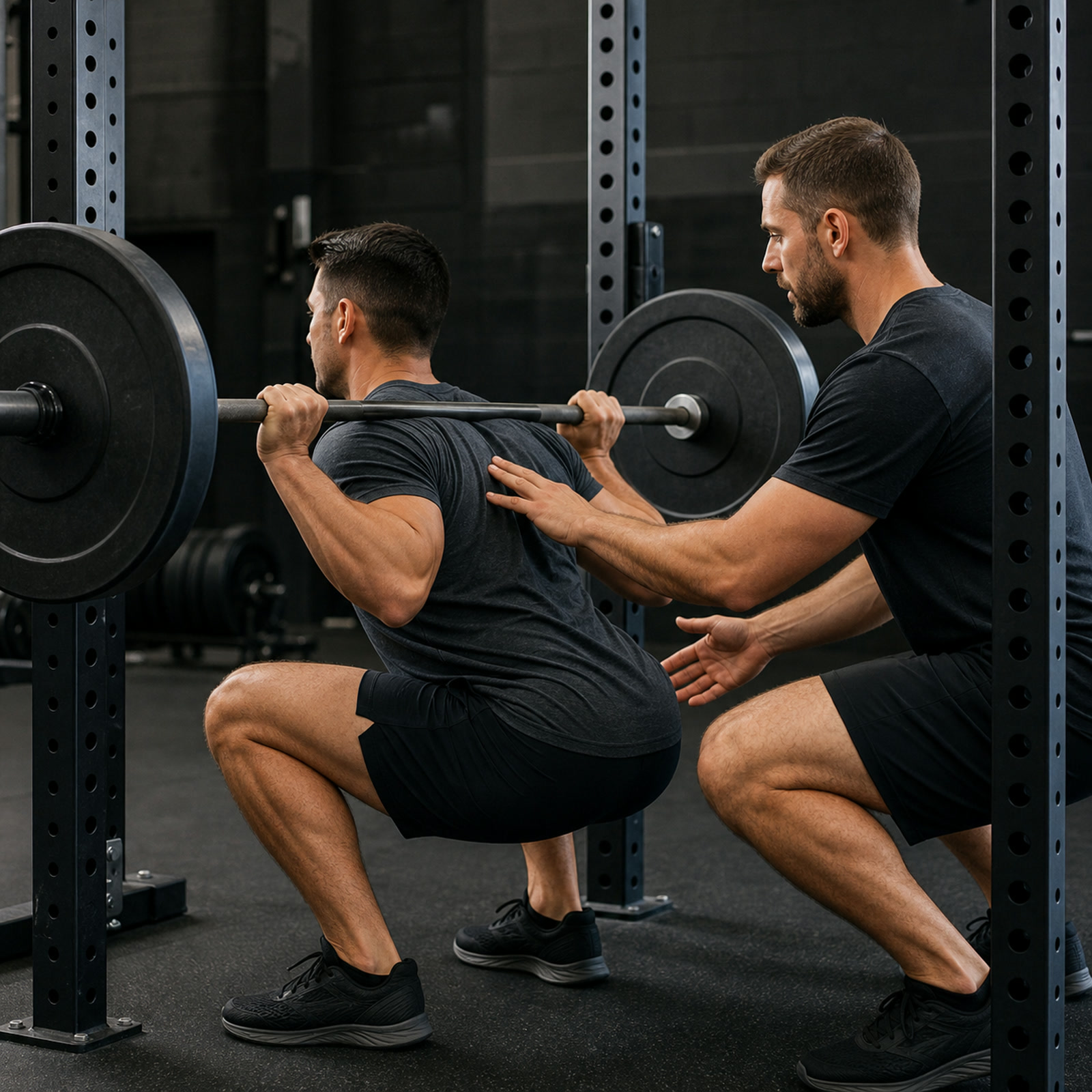
Resistance training: ≥2 days/week, all major muscle groups; preserves/builds lean mass during weight loss, supports metabolic health and function.
Critical point: exercise alone usually produces modest weight loss; combining exercise with dietary energy reduction (caloric-balance, weight-cycling) is far more effective for weight loss, while exercise is especially important for preventing regain, cardiometabolic health, and preserving lean mass.
Special considerations / precautions
- Joint stress / orthopedic limits: higher loading on knees, hips, low back, feet → favor low-impact and seated/supported options; manage volume to avoid overuse.
- Thermoregulation: greater heat-stress risk; ensure cooling, hydration, breathable clothing.
- Comorbidities are common (type 2 diabetes, hypertension, OSA, metabolic syndrome) — layer those modules' modifications.
- Equipment fit/comfort (seat sizes, weight ratings), chafing, and dignity/accessibility matter for adherence.
- Start with achievable goals; emphasize NEAT and daily movement, not only structured sessions.
Contraindications / red flags / clearance
- Screen for cardiometabolic risk; obtain medical clearance for higher-risk/symptomatic individuals before vigorous activity (medical-clearance-screening).
- Stop for chest pain, severe breathlessness, dizziness, or new severe joint pain.
Non-medical-advice disclaimer
Educational only; not medical or dietary advice. Individuals with obesity and comorbidities should be guided by their physician/dietitian.
Key facts
- Obesity: BMI ≥30 (waist circumference adds risk info; BMI has limits).
- Aerobic: build to ~200–300+ min/wk moderate for weight loss/maintenance; start light, low-impact.
- Resistance ≥2 d/wk to preserve lean mass.
- Exercise + diet >> exercise alone for weight loss; exercise key for preventing regain.
- Watch joint stress and heat; favor joint-friendly modes; screen comorbidities.
Connections
- joint-friendly-options — low-impact modality menu.
- caloric-balance / weight-cycling — the dietary half of weight loss.
- type-2-diabetes / metabolic-syndrome — common comorbidities.
- cardio-progression — gentle progression of dose.
Educational content only — not medical advice. Always consult a qualified professional for individualized guidance, especially around injury, pregnancy, or medical conditions.