Lifting Gloves
Sources and review status
Review pending — this text hasn’t been signed off by a reviewer yet.
See this lesson’s sources0% read · 1 min left
Padded gloves that protect the palms from calluses and pressure for comfort — convenient for general gym-goers, but they slightly reduce grip security and feel on heavy lifts.
Detail
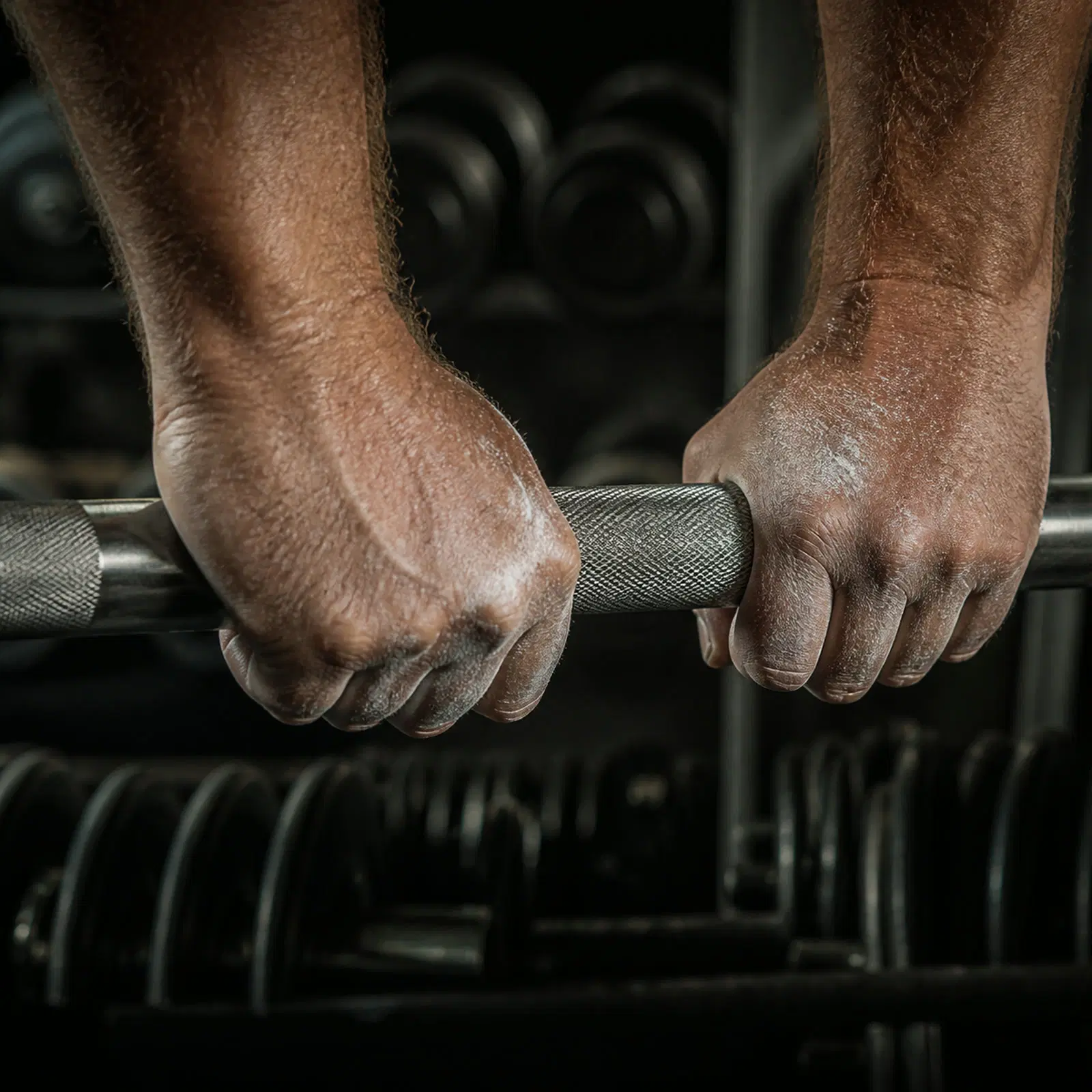
Lifting gloves cover the palms (and sometimes fingers) with padding. Their main value is comfort and skin protection — reducing pressure points, blisters, and callus buildup on the bar, dumbbells, and Pull-Up Bar. Many recreational lifters prefer them for that reason.
Trade-offs: the padding increases the effective bar diameter and puts a layer between hand and bar, which can reduce grip security and tactile feedback on heavy Deadlifts (bent knee)s and pulls — and may actually make the grip harder by adding bunched material. Serious lifters chasing maximal grip usually prefer bare hands plus Lifting Chalk (better friction, full feel) and reach for Lifting Straps when grip is the limiter, rather than gloves.
Bottom line: a comfort/skin-protection accessory, not a performance grip aid. Useful for general fitness, casual lifters, and those who dislike calluses; less favored for heavy strength work.
Key facts
- Protect palms from calluses/blisters and pressure (comfort first).
- Add padding → increase effective bar thickness, reduce grip feel/security on heavy pulls.
- Chalk + bare hands generally beat gloves for maximal grip; straps handle grip limits.
- A comfort accessory, not a performance grip tool.
Connections
- Lifting Chalk — preferred grip aid for heavy work.
- Lifting Straps — used when grip is the limiting factor.
- Deadlifts (bent knee) / Pull-Up Bar — where the grip trade-off shows.
Sources
Keep this lesson, or ask how it applies to you.
Educational content only — not medical advice. Always consult a qualified professional for individualized guidance, especially around injury, pregnancy, or medical conditions.