Pilates — Mat vs Reformer
0% read · 1 min left
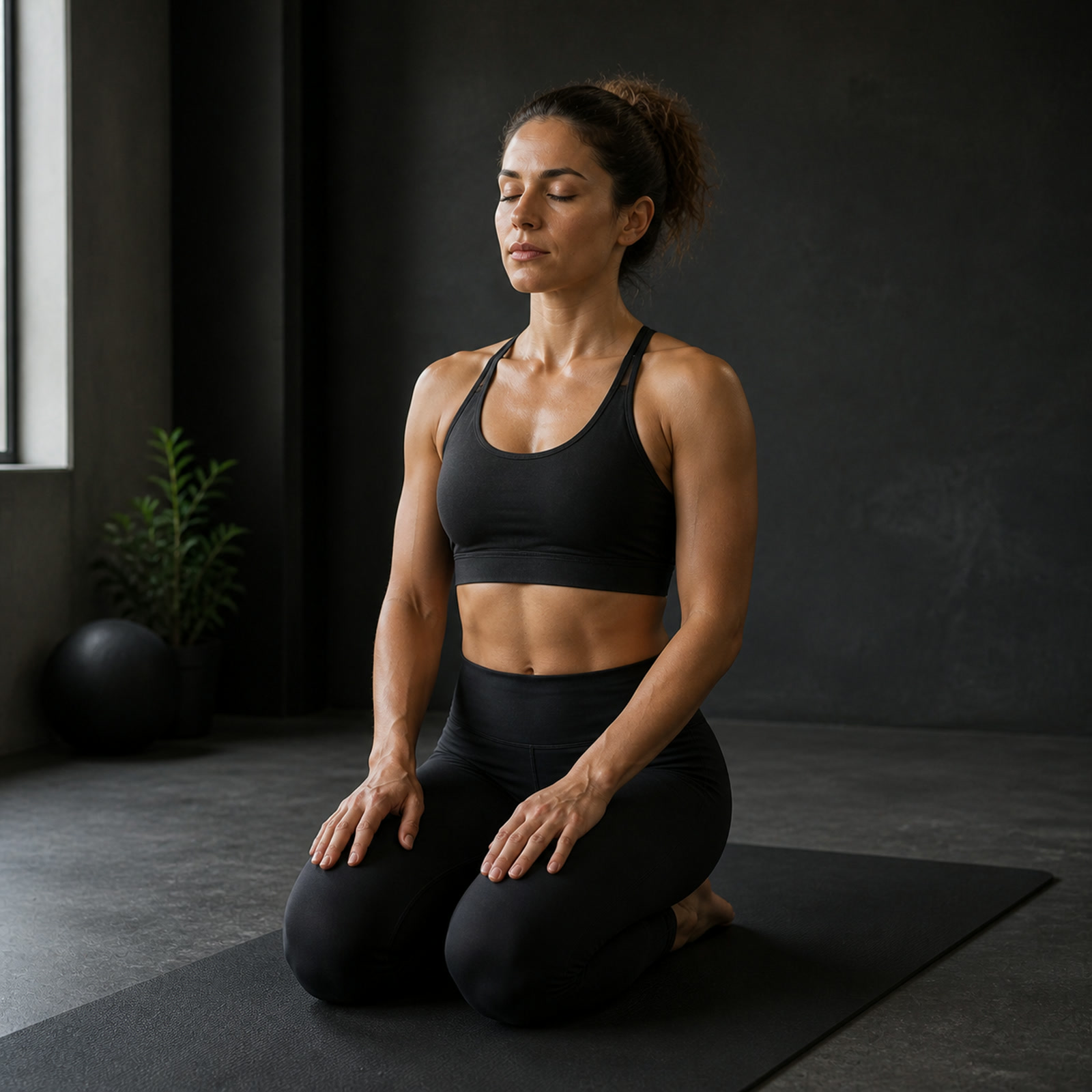
Mat Pilates uses bodyweight and small props on the floor; the reformer adds spring resistance and a moving carriage for graded load and assistance.
Detail
Mat Pilates is performed on the floor using bodyweight, gravity, and small props (magic circle, light dumbbells, resistance bands, balls). It is accessible, equipment-light, portable, and demands strong self-generated core control because there is no external assistance. The classical mat sequence (the hundred, roll-up, leg circles, etc.) is the foundation.
Reformer Pilates uses a sliding carriage with adjustable springs, straps, and a footbar. The springs can either add resistance or assist a movement, allowing finer load grading, support for rehab, and a larger exercise menu (including supine, side-lying, kneeling, and standing work). EMG studies report high core-muscle activation in reformer exercises. Other apparatus (Cadillac/trap table, Wunda chair, barrels) extend the system further.
Both share the same principles (pilates-principles) and powerhouse focus (pilates-powerhouse); choice depends on goals, access, and need for graded resistance/assistance (home-gym).
Key facts
- Mat: bodyweight + small props; portable, no assistance.
- Reformer: spring-loaded moving carriage; springs add resistance OR assist.
- Reformer enables finer load grading and more positions; high core EMG.
- Same principles and powerhouse focus across formats.
Connections
- pilates-overview — parent discipline.
- pilates-powerhouse — shared core focus.
- home-gym — equipment/access considerations.
Educational content only — not medical advice. Always consult a qualified professional for individualized guidance, especially around injury, pregnancy, or medical conditions.