Sarcopenia & Age-Related Muscle Loss
0% read · 2 min left
Sarcopenia is the progressive age-related loss of muscle mass, strength, and function — strongly counteracted by progressive resistance training plus adequate protein.
Detail
Sarcopenia is the involuntary loss of skeletal muscle mass, strength, and function with aging. Muscle mass typically declines from around the 3rd–4th decade, accelerating after ~60; strength and power decline faster than mass, and power (force × velocity) is lost earliest — which is why it strongly predicts falls and loss of independence.
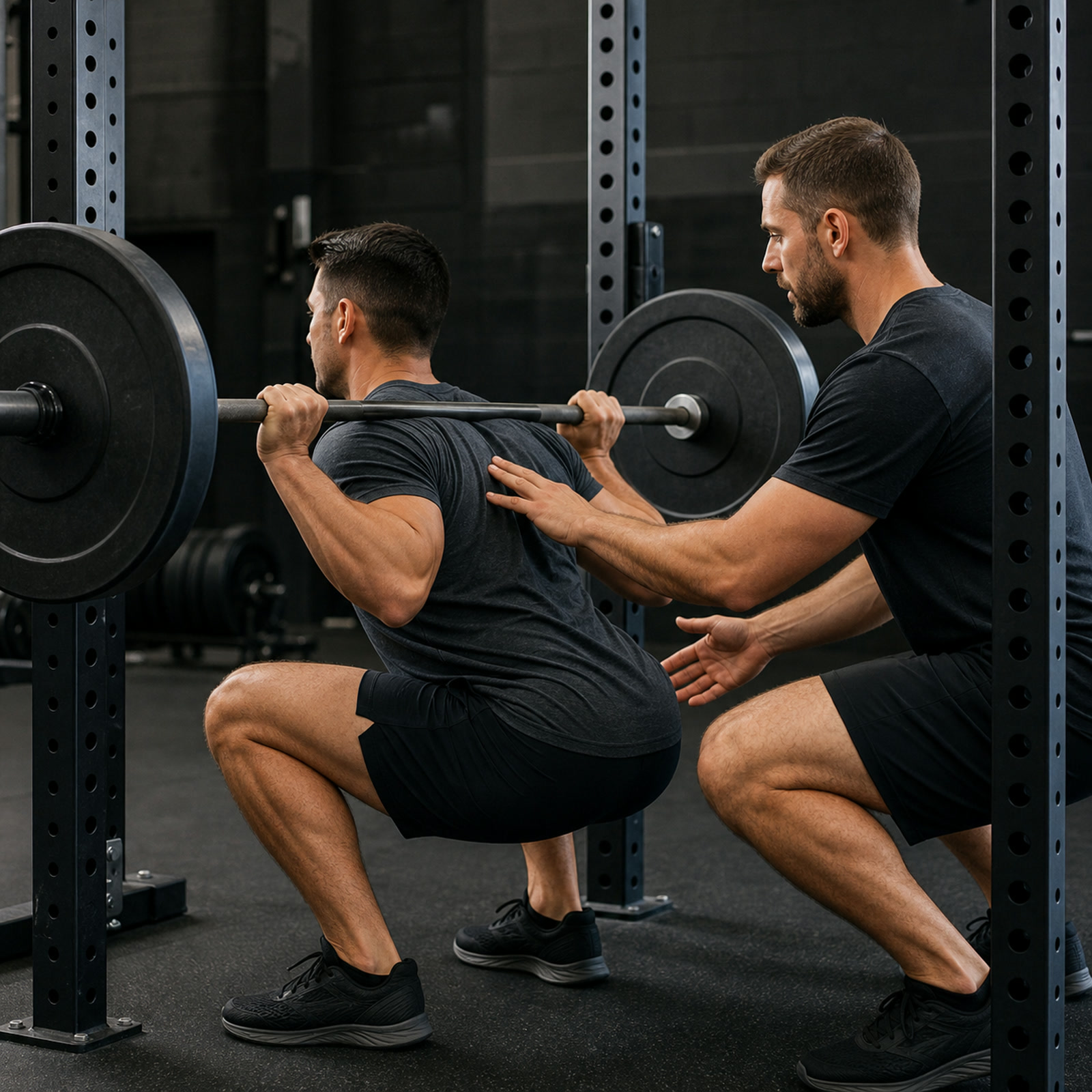
Most effective countermeasure: progressive resistance training. Older adults retain the ability to gain strength and hypertrophy.
- ~2–3 days/week; multijoint exercises for all major muscle groups.
- Progress to moderate-to-higher relative intensity as tolerated (e.g., ~70–85% 1RM, 1–3 sets of 8–12 reps) once technique is sound; lighter loads to higher reps also work for less-conditioned individuals.
- Include power-style movements (moderate load moved quickly) where safe, since power loss is functionally important.
- Apply progressive-overload — gradual increase in load/volume.
Nutrition: adequate protein supports muscle protein synthesis; many guidelines suggest ~1.0–1.2 g/kg/day (or more, ~1.2–1.5 g/kg/day, in some recommendations for older adults) distributed across meals — see protein, protein. Adequate energy and vitamin D/calcium status also matter.
Non-medical-advice disclaimer
Educational only; individuals with frailty or chronic conditions should be guided by their clinician and ideally supervised initially.
Key facts
- Sarcopenia = age-related loss of muscle mass, strength, and function.
- Strength and especially power decline faster than mass; power loss predicts falls.
- Progressive resistance training is the primary countermeasure; older adults can still gain.
- ~2–3 d/wk, multijoint, progress to moderate-higher intensity; add power work where safe.
- Protein ~1.0–1.2 g/kg/day (often higher recommended for older adults), spread across meals.
Connections
- older-adults — broader senior activity prescription.
- osteoporosis — loading helps muscle and bone together.
- recovery-nutrition-40plus — per-meal protein dosing and recovery spacing that counter anabolic resistance.
- protein — protein targets supporting muscle retention.
- progressive-overload — the driver of gains at any age.
Educational content only — not medical advice. Always consult a qualified professional for individualized guidance, especially around injury, pregnancy, or medical conditions.