Osteoporosis & Osteopenia
0% read · 2 min left
Weight-bearing aerobic, progressive resistance, and balance training help build/maintain bone and prevent falls — but avoid high-risk loaded spinal flexion and twisting where fracture risk is high.
Detail
Osteoporosis is low bone mineral density (BMD) with deteriorated bone structure → increased fracture risk (commonly T-score ≤ −2.5); osteopenia is the intermediate range (T-score −1.0 to −2.5). Bone responds to mechanical loading, so targeted exercise is protective.
Exercise prescription (ACSM / National Osteoporosis Foundation):
- Weight-bearing aerobic (walking, stair climbing, jogging if appropriate): most days; moderate-to-vigorous as tolerated. Non-weight-bearing modes (swimming, cycling) help fitness but provide less bone stimulus.
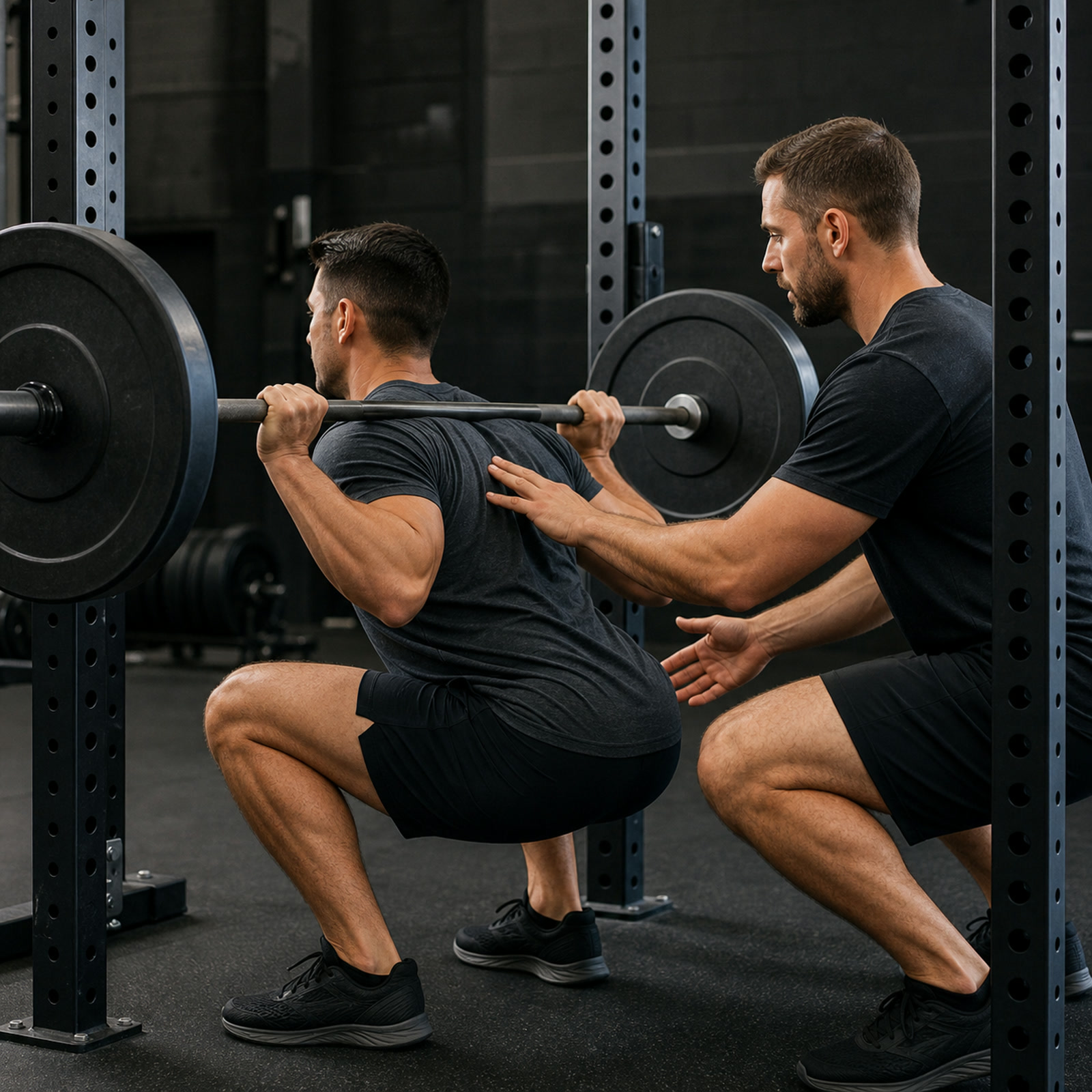
- Progressive resistance training: 2–3 days/week, targeting major muscle groups, with enough load to stimulate bone (moderate-to-higher intensity as appropriate and safe). Site-specific loading (hip, spine).
- Impact/bone-loading activities (where fracture risk and tolerance allow) add stimulus; for higher-risk individuals, keep impact modest and individualized.
- Balance/functional training to prevent falls is essential since fractures usually result from falls — see fall-prevention-exercise.
Special considerations / precautions / modifications
- Avoid/limit high-risk movements in those with low BMD/vertebral fragility: loaded or repeated forward spinal flexion (e.g., loaded toe-touches, weighted sit-ups/crunches, heavy spinal flexion) and rapid/aggressive trunk twisting — these raise vertebral fracture risk. Favor neutral-spine loading and extension-bias exercise. See spine-positioning.
- Avoid high fall-risk activities for those with significant fracture risk; ensure safe environment.
- Coordinate with calcium and vitamin D adequacy (vitamin-d).
Contraindications / red flags / clearance
- Obtain medical clearance and individualized guidance, especially with prior fragility fractures or severe osteoporosis (a physical therapist/clinical exercise physiologist is valuable).
- Sudden back pain after bending/lifting could indicate vertebral fracture → seek evaluation.
Non-medical-advice disclaimer
Educational only; not medical advice. People with osteoporosis or prior fractures should exercise under clinician/PT guidance.
Key facts
- Osteoporosis T-score ≤ −2.5; osteopenia −1.0 to −2.5.
- Weight-bearing aerobic (most days) + progressive resistance (2–3 d/wk) + balance training.
- Non-weight-bearing modes give less bone stimulus.
- Avoid loaded/repeated spinal flexion and aggressive twisting; keep spine neutral.
- Balance/fall-prevention is essential (fractures follow falls); ensure calcium/vitamin D.
Connections
- older-adults / sarcopenia — overlapping aging concerns.
- fall-prevention-exercise — preventing the falls that cause fractures.
- spine-positioning — movements to limit.
- vitamin-d — nutritional support for bone.
Educational content only — not medical advice. Always consult a qualified professional for individualized guidance, especially around injury, pregnancy, or medical conditions.