Youth Resistance Training — Myths vs. Evidence
0% read · 2 min left
The fear that lifting "stunts growth" or routinely damages growth plates is not supported by evidence — supervised, technique-first resistance training is safe and beneficial for children and adolescents.
Detail
Several professional bodies (NSCA, American Academy of Pediatrics, ACSM, the UK Strength and Conditioning Association, and an international consensus on youth resistance training) have addressed common myths:
- Myth: "Resistance training stunts growth / damages growth plates." Evidence: there is no scientific evidence that appropriately prescribed and supervised resistance training harms growth, stature, or the epiphyseal (growth) plates. Growth-plate injuries that do occur in youth are typically traumatic and linked to poor technique, maximal/ballistic loads without supervision, or accidents — not properly dosed strength training. Resistance training can actually enhance bone mineral density.
- Myth: "Children can't gain strength because they lack testosterone." Evidence: pre-pubescent children do make meaningful strength gains, primarily through neural adaptations (improved motor unit recruitment/coordination) rather than large increases in muscle size.
- Myth: "It's too dangerous." Evidence: when supervised and progressed sensibly, resistance training has a low injury rate, comparable to or lower than many youth sports; most reported injuries trace to unsupervised activity or improper loading.
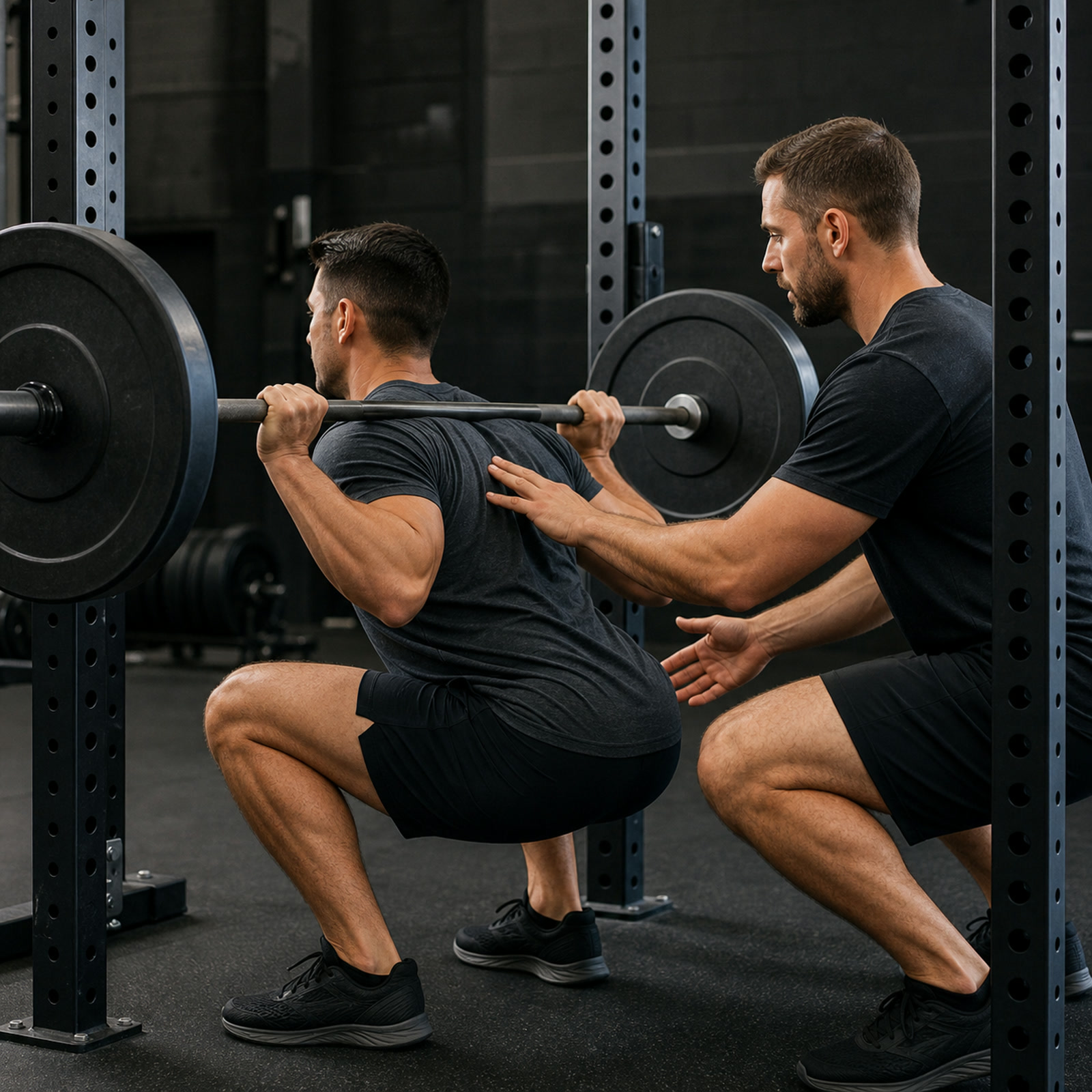
Keys to safety: qualified supervision, age-/maturity-appropriate progression, technique mastery before load, submaximal loads, adequate recovery, and a positive, fun environment.
Non-medical-advice disclaimer
Educational only. Children with health conditions should be cleared and guided by a pediatric clinician.
Key facts
- No evidence that proper, supervised resistance training stunts growth or routinely harms growth plates.
- Pre-pubescent strength gains are real and largely neural (recruitment/coordination), not hypertrophy.
- Resistance training can improve youth bone mineral density.
- Injury risk is low with supervision; risk rises with poor technique/unsupervised maximal loads.
Connections
- youth-training — full youth activity and resistance prescriptions.
- youth-plyometric-considerations — companion power-training myths.
- consult-fitness-instructor — supervision is the key safety factor.
Educational content only — not medical advice. Always consult a qualified professional for individualized guidance, especially around injury, pregnancy, or medical conditions.