Children & Adolescents (Youth Training)
0% read · 2 min left
Children and adolescents (roughly ages 5–17) should accumulate ≥60 minutes/day of mostly moderate-to-vigorous activity, including muscle- and bone-strengthening on at least 3 days/week; supervised resistance training is safe and beneficial.
Detail
WHO 2020 / U.S. Physical Activity Guidelines (2nd ed., 2018) for ages 5–17:
- ≥60 minutes per day of moderate-to-vigorous physical activity (MVPA), averaged across the week — predominantly aerobic.
- Vigorous-intensity aerobic activity on ≥3 days/week.
- Muscle-strengthening and bone-strengthening activities on ≥3 days/week (these can be part of the 60 minutes; bone-strengthening = impact activities like running, jumping, hopping).
- Limit sedentary time, especially recreational screen time.
- For preschool children (3–4 yr): ≥180 min/day of varied activity, with ≥60 min MVPA.
Type: emphasize fun, varied, skill-based, play-driven activity; sport, active games, and structured movement skills. Bone-strengthening impact activities matter for peak bone-mass accrual.
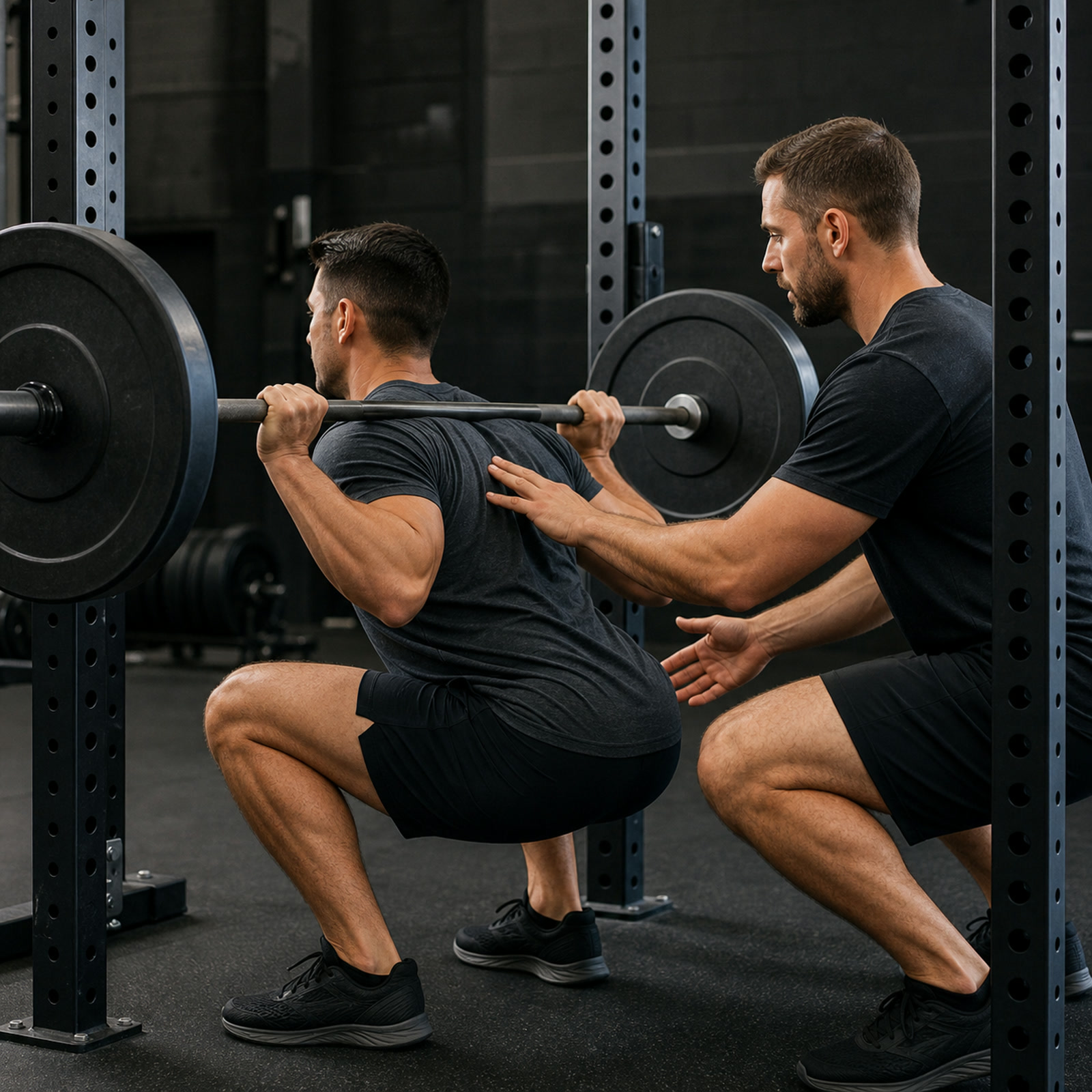
Youth resistance training: Major bodies (NSCA, AAP, ACSM) agree well-designed, supervised resistance training is safe and effective for children/adolescents, improving strength, motor skill, bone health, body composition, and reducing sport-injury risk. See youth-resistance-training-myths.
- Qualified supervision and instruction; technique before load.
- Start with bodyweight/light loads, low volume; ~1–3 sets of 6–15 reps on a variety of exercises; 2–3 nonconsecutive days/week.
- Progress by competence and training age (long-term athletic development, LTAD), not just chronological age — see individuality.
Special considerations / precautions
- Children are not miniature adults: they have larger surface-area-to-mass ratio and less efficient thermoregulation/sweating → greater heat-stress risk; ensure hydration, heat acclimatization, and rest.
- Avoid maximal/1RM testing and heavy near-maximal loading in pre-/early-pubescent youth until technical competence and maturity are established.
- Emphasize landing mechanics for jumping/plyometrics (youth-plyometric-considerations).
Contraindications / red flags / clearance
- Uncontrolled conditions (e.g., uncontrolled hypertension, seizure disorders, certain congenital heart conditions) warrant medical clearance and individualized guidance.
- Any chest pain, fainting, or exertional symptoms in a young person should prompt medical evaluation before continuing.
Non-medical-advice disclaimer
Educational only; not a substitute for pediatric medical advice. Consult a pediatrician for children with health conditions.
Key facts
- Ages 5–17: ≥60 min/day MVPA; vigorous ≥3 d/wk; muscle- AND bone-strengthening ≥3 d/wk.
- Preschool (3–4): ≥180 min/day activity incl. ≥60 min MVPA.
- Supervised resistance training is safe/effective; technique before load; ~1–3 sets × 6–15 reps, 2–3 d/wk.
- Progress by training age/maturity (LTAD), individualized.
- Higher heat-stress risk than adults; prioritize hydration and rest.
Connections
- youth-resistance-training-myths — debunks growth-plate fears.
- youth-plyometric-considerations — power/jump training for youth.
- beginner — training-age principles also apply to young novices.
- individuality — maturation-based progression.
Educational content only — not medical advice. Always consult a qualified professional for individualized guidance, especially around injury, pregnancy, or medical conditions.