Bone Tissue and Bone Health
0% read · 2 min left
Bone is living tissue that constantly remodels and adapts to mechanical load — which is why weight-bearing and resistance exercise, alongside calcium and vitamin D, build and maintain bone density.
Detail
Bone is not inert scaffolding; it is living, dynamic tissue that is continuously broken down and rebuilt in a process called remodeling, carried out by osteoclasts (which resorb bone) and osteoblasts (which form it). Bone consists of a dense outer cortical (compact) layer and an inner trabecular (spongy) lattice, a protein matrix (mainly collagen) mineralized largely with calcium and phosphate.
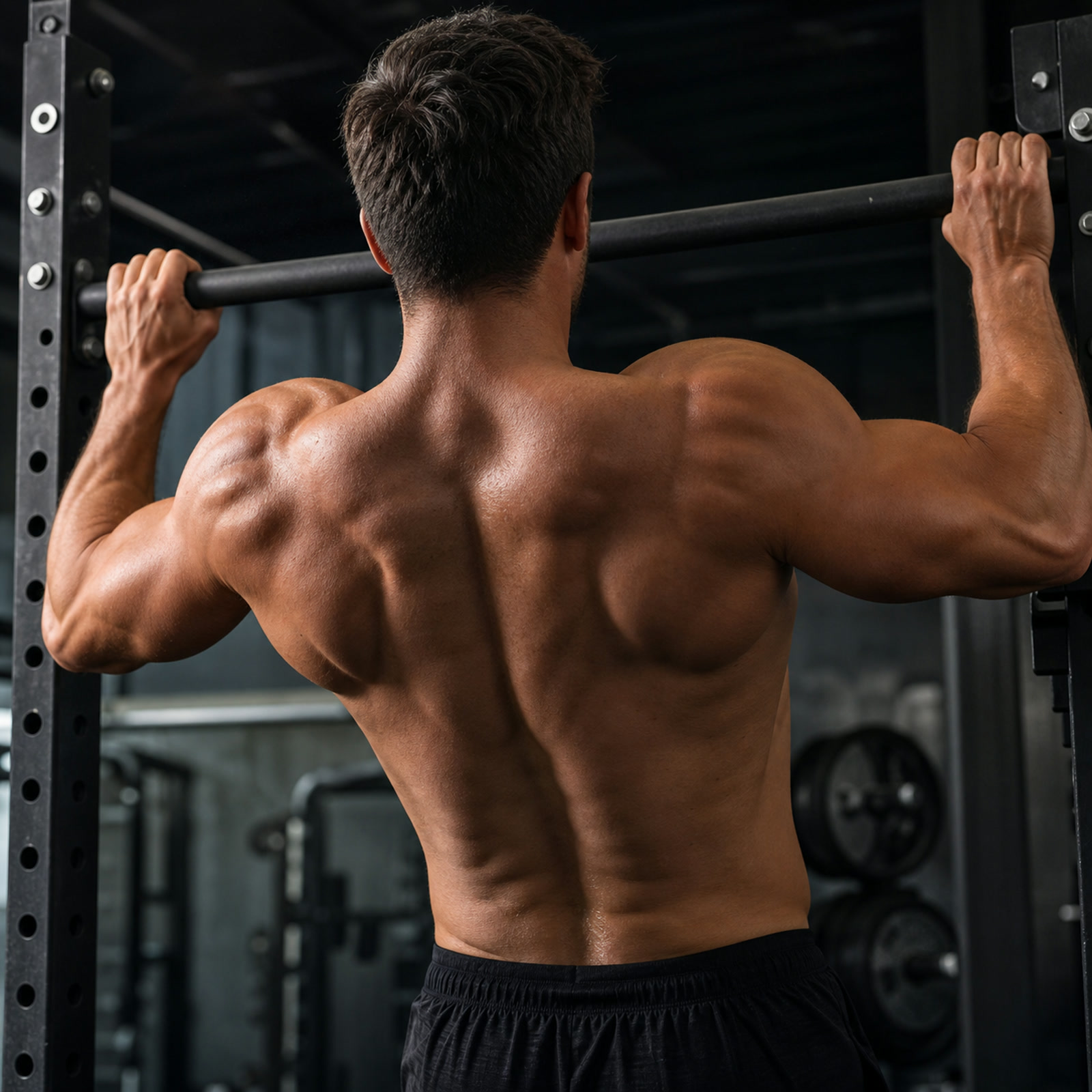
Bone adapts to the loads placed on it: mechanical stress from weight-bearing activity and resistance training stimulates bone formation and increases or maintains bone mineral density, while disuse (immobilization, sedentary living, weightlessness) leads to bone loss — an application of the specificity/overload idea (see specificity). Bone mass typically peaks in early adulthood and declines with age; insufficient density leads to osteopenia and osteoporosis, raising fracture risk (see osteoporosis). Nutritionally, bone depends on adequate calcium (see calcium) and vitamin D (see vitamin-d, which governs calcium absorption), among other nutrients. Weight-bearing, impact, and resistance exercise are central non-pharmacological strategies for building and preserving bone.
Key facts
- Bone is living tissue, continuously remodeled by osteoclasts (resorb) and osteoblasts (form).
- Structure: cortical (compact) outer layer + trabecular (spongy) interior; collagen matrix mineralized with calcium/phosphate.
- Responds to load: weight-bearing/resistance exercise builds density; disuse causes loss.
- Peak bone mass in early adulthood, then age-related decline → osteopenia/osteoporosis.
- Calcium and vitamin D are key dietary supports for bone.
Connections
- calcium, vitamin-d — key nutrients for bone mineralization.
- osteoporosis — low bone density and exercise considerations.
- specificity — bone adapts specifically to imposed mechanical load.
Educational content only — not medical advice. Always consult a qualified professional for individualized guidance, especially around injury, pregnancy, or medical conditions.