Dietary Guidelines for Americans — Overview
0% read · 2 min left
The federal Dietary Guidelines distill the core healthy-eating rules: follow a nutrient-dense pattern across life stages and limit added sugars, saturated fat, sodium, and alcohol.
Detail
The Dietary Guidelines for Americans (DGA), issued jointly by USDA and HHS and updated every five years, are the US government's evidence-based nutrition advice. The 2020–2025 edition is organized around four overarching guidelines: (1) follow a healthy dietary pattern at every life stage; (2) customize nutrient-dense food and beverage choices to preferences, culture, and budget; (3) focus on meeting food-group needs with nutrient-dense foods, staying within calorie limits; and (4) limit foods and beverages higher in added sugars, saturated fat, and sodium, and limit alcohol.
Its core quantitative limits (each with its own module):
- Added sugars: less than 10% of calories (see added-sugars).
- Saturated fat: less than 10% of calories (see dietary-fats).
- Sodium: less than 2,300 mg/day (see sodium).
- Alcohol (if consumed): ≤2 drinks/day men, ≤1/day women (see alcohol).
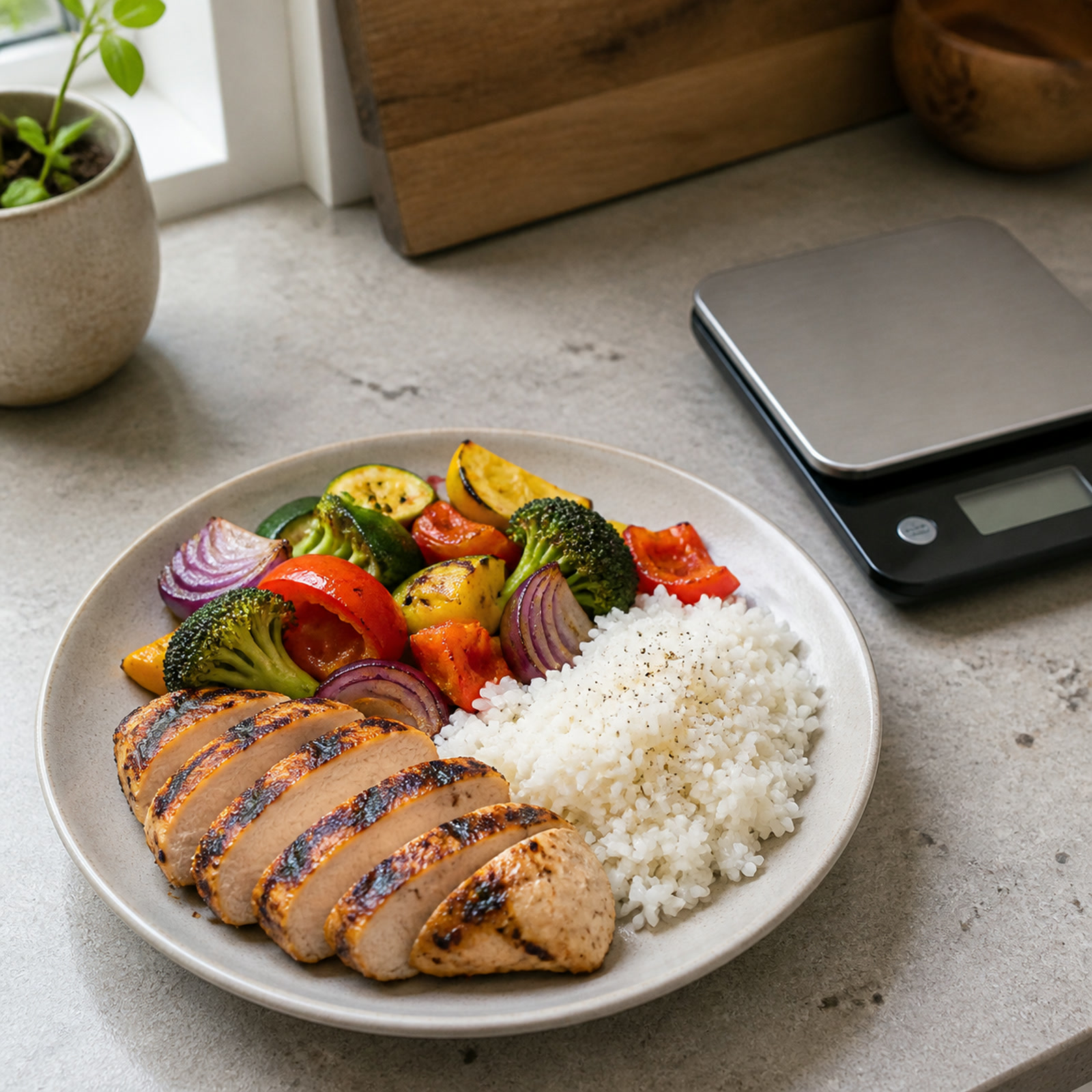
A healthy pattern emphasizes vegetables, fruits, whole grains, lean proteins, low-fat dairy or fortified alternatives, and healthy oils — exemplified by the Mediterranean and DASH patterns (see mediterranean-diet, dash-diet). The DGA underpins the Nutrition Facts label and MyPlate (see nutrition-labels). (Note: a 2025–2030 edition has since been released; the quantitative limits above were carried over largely unchanged for added sugars, saturated fat, sodium, and alcohol.)
Key facts
- USDA/HHS guidance, updated every 5 years; 2020–2025 edition.
- Four guidelines: healthy pattern across life stages; customize nutrient-dense choices; meet food-group needs within calories; limit added sugars/sat-fat/sodium/alcohol.
- Limits: added sugars <10% cal; saturated fat <10% cal; sodium <2,300 mg/day; alcohol ≤2/day (M), ≤1/day (W).
- Mediterranean and DASH exemplify the recommended pattern.
Connections
- added-sugars / sodium / dietary-fats / alcohol — the quantitative limits.
- mediterranean-diet / dash-diet — exemplar patterns.
- nutrition-labels — how the guidelines reach the consumer.
Educational content only — not medical advice. Always consult a qualified professional for individualized guidance, especially around injury, pregnancy, or medical conditions.