Eating Out and Restaurant Strategies
0% read · 2 min left
Restaurant meals tend to be large, calorie-dense, and salty; a few simple habits let you eat out without derailing goals.
Detail
Eating out is a frequent challenge because restaurant food is engineered to be palatable, portions are oversized, and dishes are often high in calories, sodium, added sugars, and fat — and you can't see the recipe (see fast-food-statistics). Because food is a normal social pleasure, the goal is strategy, not avoidance (see diet-adherence-principle).
Practical tactics:
- Plan ahead: check the menu and nutrition info online (US chains with 20+ locations must post calories); decide before arriving hungry.
- Manage portions: split an entrée, box half immediately, or order an appetizer plus salad as the meal (see portion-estimation).
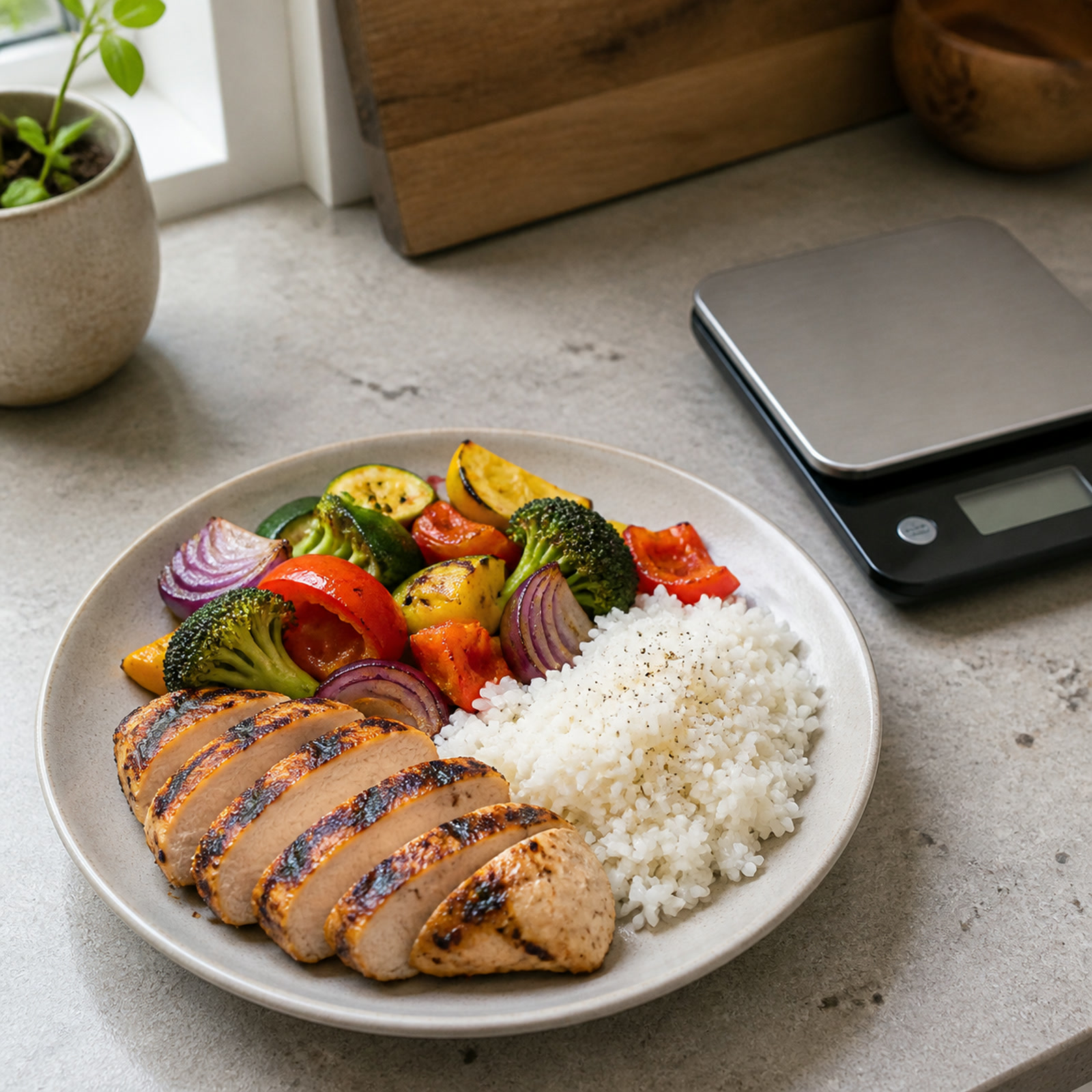
- Anchor on protein and vegetables: choose grilled/baked/roasted proteins and a vegetable side; this aids fullness.
- Tame the extras: watch calorie-dense drinks (alcohol, soda, sweet coffees — see added-sugars), bread baskets, and rich sauces; ask for dressings/sauces on the side.
- Choose cooking methods: prefer grilled, steamed, baked, or roasted over fried, breaded, or "crispy/creamy/loaded."
- Calibrate the rest of the day: if a meal out will be large, eat a bit lighter at other meals rather than skipping (which backfires).
The aim is a sustainable approach: eat out, enjoy it, apply a couple of these habits, and keep the bigger picture (weekly calorie average) on track (see calorie-targets).
Key facts
- Restaurant meals are typically oversized and dense in calories, sodium, fat, sugar.
- Plan from posted menus/calories (required for US chains with 20+ locations).
- Split/box entrées; anchor on protein + vegetables.
- Watch drinks, bread, and rich sauces; sauces/dressings on the side.
- Prefer grilled/baked over fried; calibrate other meals, don't skip.
Connections
- portion-estimation — judging restaurant portions.
- fast-food-statistics — why restaurant food is calorie-dense.
- diet-adherence-principle — strategy over avoidance.
- calorie-targets — weekly average keeps goals on track.
Educational content only — not medical advice. Always consult a qualified professional for individualized guidance, especially around injury, pregnancy, or medical conditions.