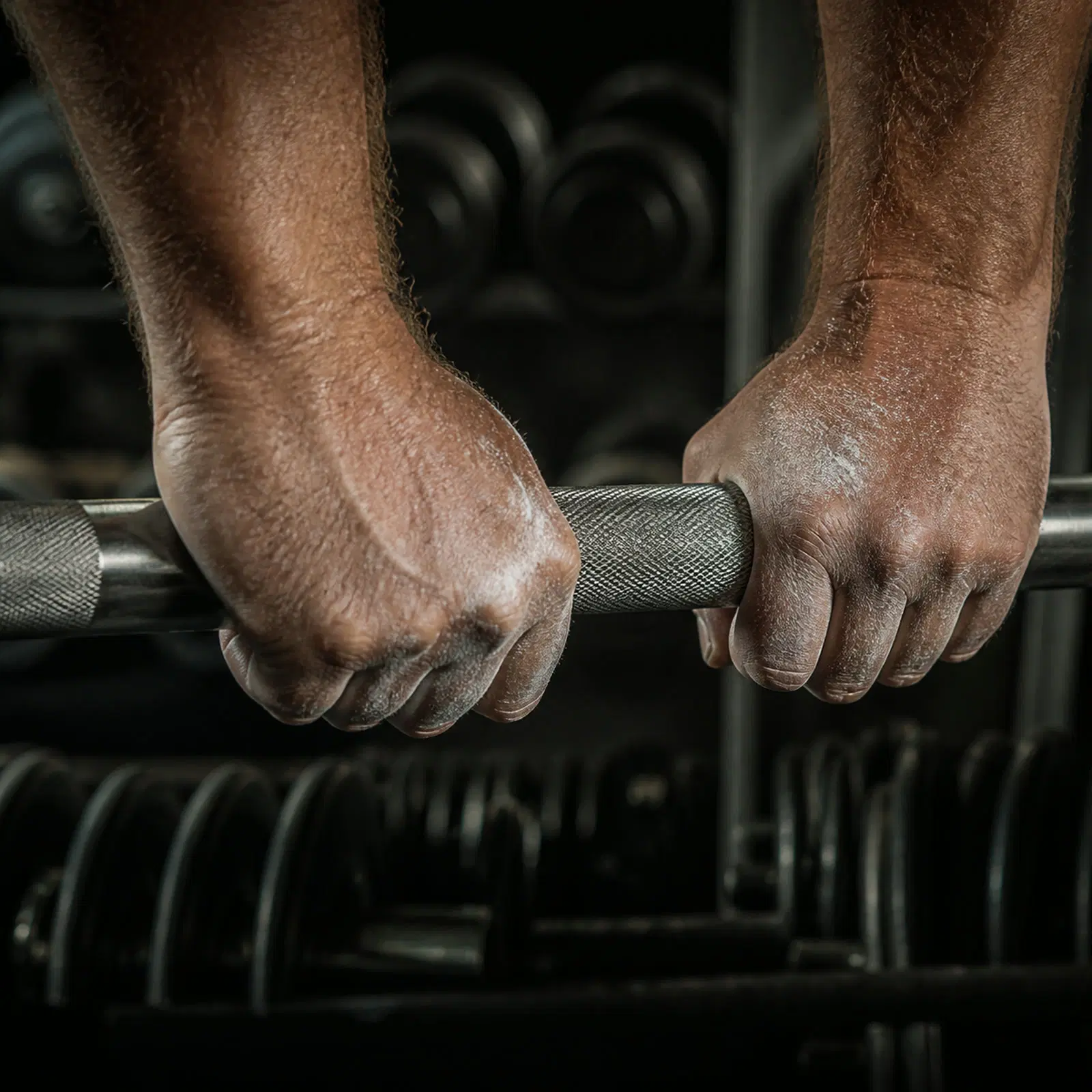
Commercial Gym (Training Environment)
Sources and review status
Review pending — this text hasn’t been signed off by a reviewer yet.
See this lesson’s sources0% read · 1 min left
A full-equipment facility offering the widest range of machines, free weights, and cardio gear under one roof — maximal variety and no upfront equipment cost, traded for membership fees, travel, and peak-hour crowding.
Detail
A commercial gym (big-box, fitness chain, or full health club) provides the broadest equipment access of any environment: complete free-weight areas (Barbell (Overview & Types), dumbbell racks), the full spectrum of Selectorized (Pin) Machiness, Cable Machines & Functional Trainerss/functional trainers, Plate-Loaded Machiness, Leg Press Machine, banks of cardio machines (Treadmill, bikes, Rowing Machine (Erg), Stair Climber / Stepmill), and often a pool, classes, and turf/sled areas.
Pros
- Maximal variety — every modality and loading style; easy to apply Free Weights vs. Resistance Machines choices and progress almost indefinitely on heavy lifts.
- No capital outlay or maintenance — pay a membership instead of buying/storing gear.
- Social/motivational atmosphere; staff and trainers available (see Consult a Fitness Instructor Before Starting); spotters available (Spotting Requirements).
Cons
- Ongoing membership cost and travel time.
- Crowding at peak hours — waiting for racks/machines disrupts rest periods and supersets.
- Shared/hygiene considerations; less convenient than a Home Gym (Budget Tiers & What to Buy First) for quick sessions.
Best for: people who want full equipment access, variety, classes, and social motivation, and who don't mind traveling and scheduling around busy times.
Key facts
- Widest equipment range: full free weights, all machine types, many cardio machines, often pool/classes.
- No equipment purchase/maintenance; pay membership.
- Staff/trainers and spotters available.
- Trade-offs: fees, travel, peak-hour crowding, shared hygiene.
Connections
- Home Gym (Budget Tiers & What to Buy First) — the convenience/cost contrast.
- Free Weights vs. Resistance Machines — both fully available here.
- Spotting Requirements / Consult a Fitness Instructor Before Starting — human support on hand.
- Cable Machines & Functional Trainers / Leg Press Machine — gym-scale machines.
Sources
Keep this lesson, or ask how it applies to you.
Educational content only — not medical advice. Always consult a qualified professional for individualized guidance, especially around injury, pregnancy, or medical conditions.